INDUSTRY:
MUSEUM, ARCHIVE
CLIENT:
LACMA
YEAR:
2024
EXPERIENCE:
ARCHIVE

Archival Processing & DAMS
about.
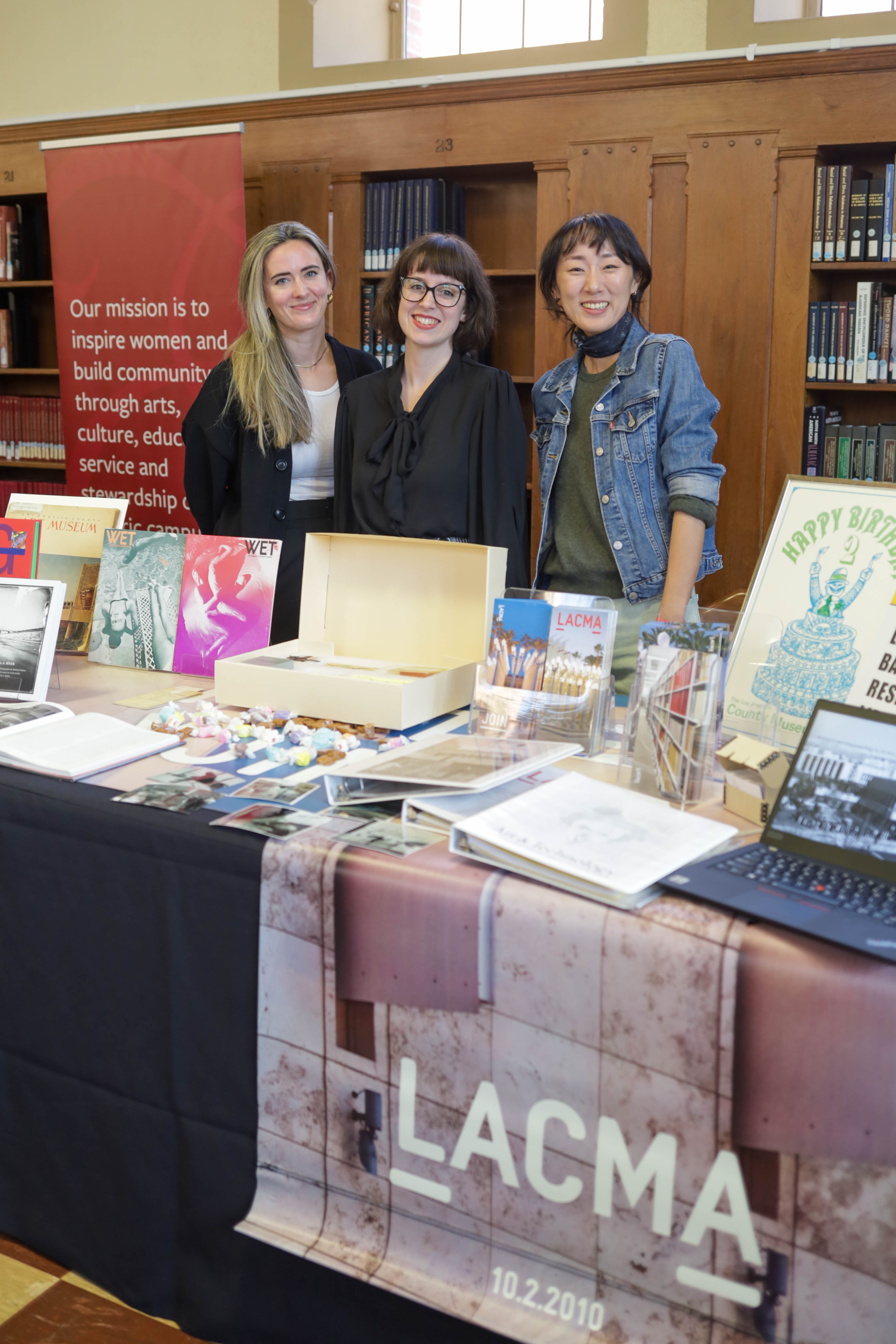
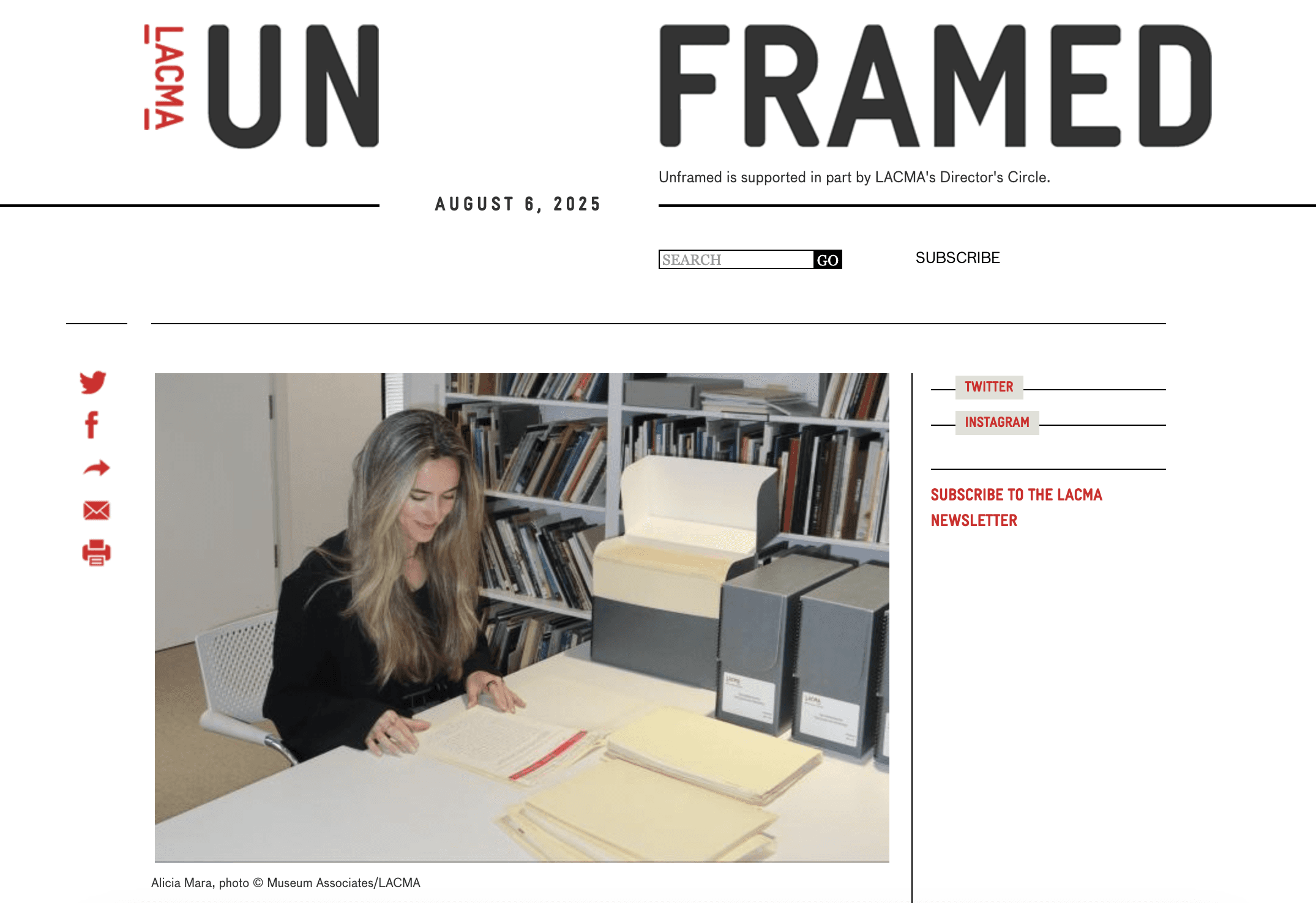
At LACMA’s Balch Research Library and Archives, I processed and described the museum’s historical press release collection. I created a full finding aid using ArchivesSpace and published it to the Online Archive of California (OAC), making the collection publicly searchable for the first time. I also authored a blog post for the LACMA site contextualizing the collection and its significance for researchers and the public.
Alongside this traditional archival work, I also helped revitalize the museum’s unused digital asset management system (CONTENTdm). This work covered the entire process: designing a metadata schema from scratch with departmental input, mapping fields to Dublin Core and MARC21, defining controlled vocabularies, and establishing the backend architecture and ingest workflows. I also developed a Python workflow using the Internet Archive API to batch-upload public domain artist materials from LACMA's existing IA account directly into the new system, and documented every part of the process in an employee handbook so the work could last far into the future.
This experience reflects my ability to bridge hands-on archival processing with technical infrastructure to ensure collections are not only described, but accessible, structured, and built to last.
tools & standards.
Collection & Database Systems - ArchivesSpace, CONTENTdm, Mimsy XG, TMS, NetX, Argus CMS
Metadata Standards - DACS, Dublin Core, EAD, MARC21, RDA, LCSH, Getty AAT, ISAD(G)
Data Analysis & Cleaning - Python (Pandas, NLTK, re, langdetect), OpenRefine, R
Data Management & Exchange - APIs, batch ingest workflows, XML, JSON, GitHub
Digital Asset Management - CONTENTdm, Piction, NetX, Issuu
Photography & Imaging - Adobe Lightroom, Adobe Bridge, Adobe Photoshop, Final Cut Pro, color calibration, high-resolution surrogate production
Visualization & Network Analysis - Kumu, Palladio, Voyant Tools
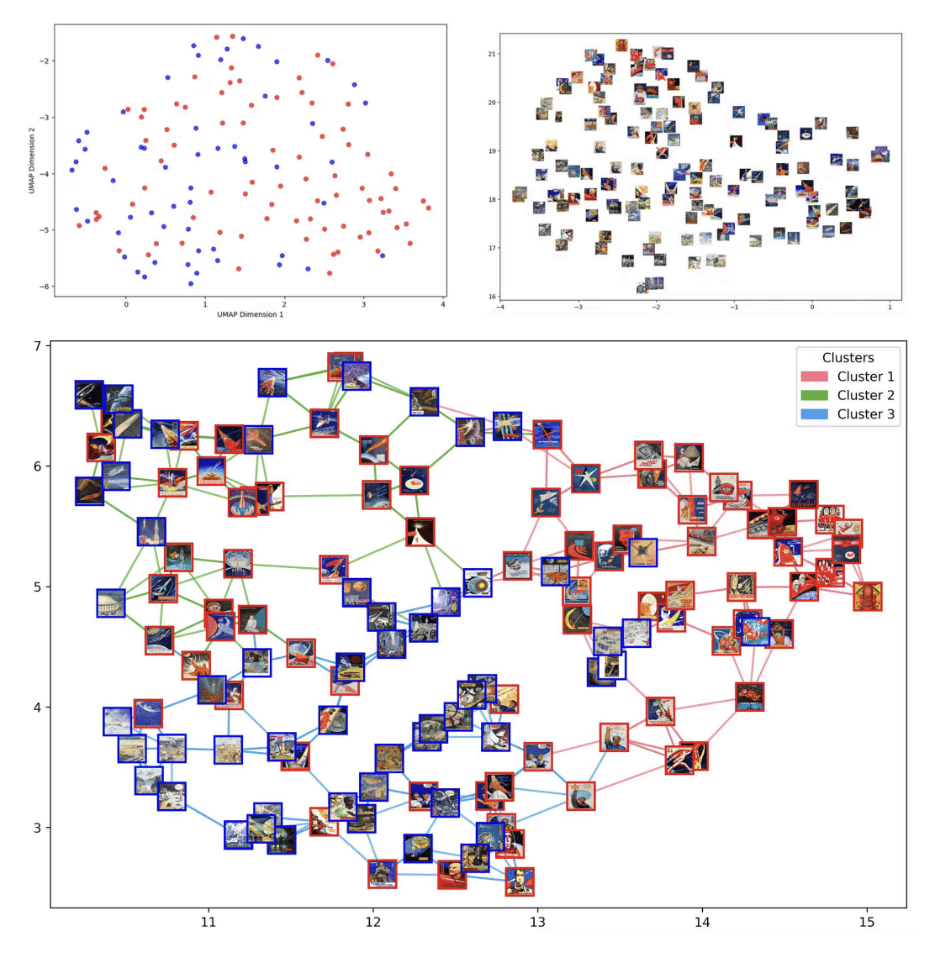
Machine Learning & Algorithms - ResNet-50, UMAP, K-Means clustering, Grad-CAM
Languages - Mandarin Chinese (advanced), French (intermediate), Russian (elementary)